


 ₹https://partners.havells.com/near-me/-in-varanasi/-in-bashi/havells-authorised-retailers-rahul-electricals-in-bashi-varanasi--G5w3gk/articles/smart-lighting-explained-bulbs-switches-and-scenes--b77cf92d-8bdb-4436-a96c-e2306ef3a7f7
Havells Authorised Retailers - Rahul Electricals, Bashi, varanasi
Home Appliances and Electrical Equipments Store in Bashi, Varanasi, Uttar Pradesh
Meerapur, Basahi Churaha, Nearby Amba Jewellers, Bashi, varanasi, uttar pradesh - 221003
Request A Call Back
Havells Authorised Retailers - Rahul Electricals Social Feeds in Bashi, varanasi
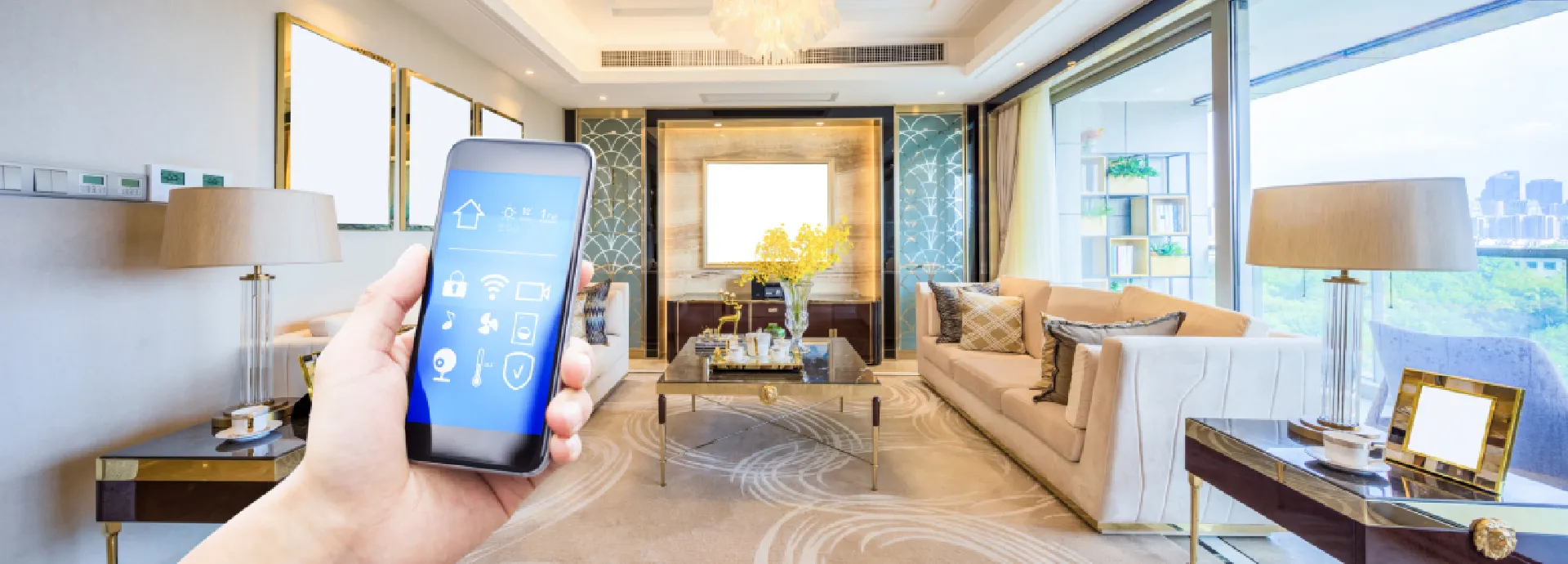
Smart Lighting Explained: Bulbs, Switches and Scenes
Smart lighting gets sold on the wrong feature. The demonstration is always someone changing their living room to purple with their voice, and most people watch that and decide it is a gimmick.
The features that actually get used are duller and far more useful: dimming from where you are sitting, one tap that sets the whole room for the evening, and a light that switches itself off at midnight because you forgot. If you are considering it for a home in Bashi and looking at a smart lighting store in varanasi, here is what the options really do and where they are worth it.
The three ways to make lighting smart
Understanding this distinction saves the most money and the most regret.
Smart bulbs
The intelligence sits inside the bulb. You screw it into an existing fitting and control it from an app or by voice.
Suits: renters, single rooms, table lamps, anyone who wants to try smart lighting without touching the wiring.
Limitation: the wall switch has to stay on for the bulb to be reachable. If someone flips the switch off, the app cannot reach it. And every bulb in a multi bulb fixture has to be a smart bulb, which gets expensive.
Smart switches and dimmers
The intelligence sits in the wall, replacing your existing switch or dimmer. Your normal lights then become controllable.
Suits: homes where several lights sit on one circuit, and anyone who wants the wall switch to keep working normally for guests and family.
Limitation: it needs an electrician, and it needs the right wiring behind the switch, including a neutral wire in many cases. This is worth checking before you buy anything.
Smart drivers and integrated smart fixtures
The control is built into the fixture or its driver. Common with strip lighting, cove lighting and some ceiling fixtures.
Suits: new builds and renovations where lighting is being planned anyway.
Limitation: decided at installation, so retrofitting is harder.
How they connect, and why it matters
Bluetooth. Works directly from your phone, no internet needed, but only within range. Fine for a bedroom lamp, not for controlling the whole house.
Wi-Fi. Connects to your home router, so it works from anywhere and supports voice assistants. It also adds devices to your Wi-Fi network, and it depends on your router being reliable.
Hub based systems. A small central device coordinates the lights. More reliable across many fixtures, more expensive to start.
Ask one question at the store before you buy: what happens when the internet goes down? A well designed system should still let you use the wall switch normally and often still work locally. If losing broadband means losing your lights, that is a serious drawback in Indian conditions.
Tunable white matters more than colour
Colour changing lights are the headline feature. Tunable white is the one people actually keep using.
Colour changing, often called RGB. Reds, blues, greens and everything between. Genuinely fun for festivals, a child's room, a balcony or an accent wall. Rarely used daily in a living room.
Tunable white. Adjusts the warmth of white light, so the same fixture can be warm in the evening and neutral in the morning. This is the feature worth paying for in bedrooms, study areas and kitchens.
Dimming. The most used feature of all. If a smart setup only gave you good dimming, it would still earn its place.
The features that get used every day
Scenes. A saved combination of which lights are on and at what level. Three scenes cover most homes: one for everyday, one for dining, one for late evening at low brightness. One tap instead of walking to four switches.
Schedules. Outdoor and gate lights that switch on at dusk and off at a set time. Corridor lights that dim overnight. This is where the electricity saving actually comes from, since the biggest waste in most homes is lights left on.
Away control. Switching on a light from outside the house, useful when you arrive late or are away for a few days.
Voice control. Convenient when your hands are full or you are already in bed. Useful, not essential.
Grouping. Controlling all the lights in a room, or all the outdoor lights, as one.
Where smart lighting is worth it, and where it is not
Worth it:
Bedrooms, where dimming and warmth adjustment get used nightly
Living rooms, where scenes replace several switches
Outdoor, gate and corridor lights, where schedules save real power
Homes with elderly members, where controlling lights without walking to a switch matters
Hard to reach fixtures, such as high ceilings, where app control avoids the trip
Not worth it:
Bathrooms and store rooms, where you want a switch to just work
Utility areas and kitchens where you need light instantly with wet or messy hands
Any position where a guest or a house help needs to operate it without instructions
A sensible approach for most homes is a mixed one. Make the living room, bedrooms and outdoor lights smart, and leave the rest as normal switches.
Practical things to sort out first
Confirm the wiring. Smart switches often need a neutral wire at the switch box. Ask your electrician to check before you buy.
Confirm Wi-Fi coverage. A smart light in a far corner with weak signal will be unreliable and blamed on the product.
Keep the wall switch working. Anyone should be able to use your lights without your phone.
Check the app and the assistant. Confirm which voice assistants are supported and whether the app is stable and available for your phone.
Check dimming compatibility. If you are using existing dimmable fixtures, confirm they work with the smart control you choose.
Stay in one system. Three different apps for three rooms is the fastest way to abandon the whole idea.
Ask about support. How replacements are handled, and whether the system will be supported for years rather than months.
Havells Home Art Light stores are focused on home lighting, so this is the place to ask which smart lighting options are available, how they are controlled and what wiring each needs. A live demonstration answers more questions than any specification sheet, particularly on dimming smoothness and how the system behaves when the wall switch is used.
Frequently Asked Questions
What is smart lighting?
Lighting you can control through an app, a voice assistant or a schedule, rather than only through a wall switch. It can be delivered through smart bulbs, smart switches or fixtures with built in smart control.
Should I choose smart bulbs or smart switches?
Smart bulbs suit renters, single rooms and lamps, with no wiring work needed. Smart switches suit homes where several lights share a circuit and where the wall switch must keep working normally, but they need an electrician.
Does smart lighting need internet?
Bluetooth options work without internet but only within range. Wi-Fi and hub based systems need a connection for remote and voice control. Ask specifically what still works when the internet is down.
Does smart lighting save electricity?
Mainly through schedules, dimming and switching lights off automatically. The light itself is not more efficient, but a light that turns off at midnight instead of running all night uses less power.
Can I add smart lighting to an existing home?
Yes. Smart bulbs need no changes at all. Smart switches need the right wiring at the switch box, including a neutral wire in many cases, so have your electrician check first.
Where can I see smart lighting demonstrated in varanasi?
Ask for a live demonstration at a lighting showroom rather than relying on specifications. You can find a Havells Home Art Light store in Bashi, varanasi through the store locator on havells.com.
Final thoughts
Smart lighting earns its cost through dimming, scenes and schedules, not through colour changing. Decide between bulbs and switches based on your wiring and who else uses your lights, keep everything in one system, make sure the wall switch still works, and be selective about which rooms actually need it.
For a live demonstration and advice on what suits your wiring, visit the Havells Home Art Light store in Bashi, varanasi and ask to see dimming and scene control in action.