


 ₹https://partners.havells.com/near-me/-in-varanasi/-in-bashi/havells-authorised-retailers-rahul-electricals-in-bashi-varanasi--G5w3gk/articles/how-lighting-changes-the-way-your-interiors-look--0b9d484b-f2c9-44e4-805e-5df3f1d7d0f7
Havells Authorised Retailers - Rahul Electricals, Bashi, varanasi
Home Appliances and Electrical Equipments Store in Bashi, Varanasi, Uttar Pradesh
Meerapur, Basahi Churaha, Nearby Amba Jewellers, Bashi, varanasi, uttar pradesh - 221003
Request A Call Back
Havells Authorised Retailers - Rahul Electricals Social Feeds in Bashi, varanasi
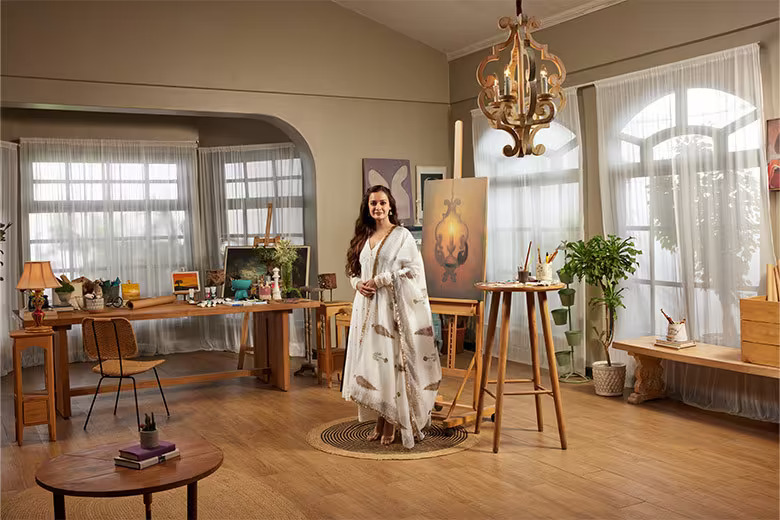
How Lighting Changes the Way Your Interiors Look
Here is something most people discover too late. You pick a paint shade you love, the painter finishes the wall, you switch on the lights at night, and the colour looks nothing like the sample card. The paint is fine. The lighting is doing it.
Light decides how every material in your home is read: how warm the wood looks, whether the marble reads grey or beige, whether your sofa fabric looks rich or washed out. That is why lighting belongs in the interior design conversation and not in the electrical checklist. If you are working on interiors in Bashi and planning a visit to an interior lighting store in varanasi, this is the part worth understanding first.
Light changes colour, and there is no way around it
The same wall paint will look different under warm light, neutral light and daylight. Warm light pushes colours towards yellow and red, which makes beiges, browns, terracotta and wood look richer. Neutral and cool light pull colours towards blue and grey, which suits whites, greys and cooler blues but can make warm shades look muddy.
Two practical rules follow from this.
Choose paint and light together. If you have already selected a warm wood finish and beige walls, warm light around 2700K to 3000K will support them. If your interiors are grey, white and marble heavy, you may prefer a slightly neutral light closer to 3500K to 4000K in some spaces.
Test at the actual light level. Hold your paint or laminate sample under the light source you plan to use, not under the showroom's default lighting or your phone torch.
Some lights show colour better than others
Beyond warmth, lights differ in how faithfully they render colour. Under a poor quality light, a red cushion can look brown and a green plant can look dull, even though the light seems bright enough.
This matters most where you look at things closely: wardrobes, dressing areas, bathroom mirrors, kitchen counters and any wall where you have hung art or used a textured finish. When you are at the store, ask specifically about colour rendering and compare two fixtures with the same fabric or laminate sample under both. The difference is usually obvious within seconds.
Direction matters more than brightness
The direction light travels does more for interiors than raw output.
Light washing down a wall makes texture visible. If you have spent money on stone cladding, a textured paint finish or a wallpaper feature wall, a light placed close to the wall and aimed down will reveal that texture. A ceiling light in the middle of the room will flatten it.
Light bounced off the ceiling, such as cove lighting, makes a room feel taller and softer. It removes harsh shadows because the ceiling acts as one large soft source.
Light aimed at an object, such as a spotlight on art or a plant, creates the focal points that make a room feel designed rather than just lit.
Light straight down from above a face, on the other hand, creates unflattering shadows. This is why a single ceiling light above a bathroom mirror rarely works and side lighting at eye level works much better.
Small rooms, dark rooms and how light helps
Lighting cannot add square feet, but it can change how a space reads.
For a small room, keep light off the centre of the ceiling and push it towards the edges. Wall lights, cove lighting and light grazing the walls make the boundaries visible, which makes the room feel larger. A single bright central fixture does the opposite by leaving corners dark.
For a room with little daylight, use several modest sources rather than one strong one, and keep the colour temperature consistent so the space does not look patchy. Light coloured walls and ceilings help, because they bounce light rather than absorbing it. Dark walls will always need more light for the same effect.
Coordinate lighting with the rest of your interiors
Two coordination habits make a noticeable difference:
Match finishes. Keep your fixture finishes aligned with your door handles, taps, curtain hardware and switch plates. One or two finishes across the home reads as deliberate.
Follow the furniture. Lighting positions should be decided after the furniture layout, not before. A downlighter perfectly spaced on a ceiling grid is useless if it lands behind your sofa instead of over the reading corner.
Plan lighting at the design stage, not the finishing stage
The lighting decisions that affect interiors most are the ones locked in early: cove depth in the false ceiling, wall washing positions, spotlight aim points, recessed cut out sizes, and how many switch groups you get.
A workable sequence:
Finalise furniture layout and material palette
Decide which surfaces and objects you want to highlight
Choose fixture types and colour temperature per room
Confirm cut out sizes, weights and dimming needs at the store
Share the plan with your electrician and false ceiling contractor before boarding
Install after painting
Making your store visit useful
Carry your floor plan, your material samples such as laminate, paint and stone chips, and photographs of the rooms as they stand. Ask to see two fixtures compared side by side with your own samples under them. Ask about colour rendering, dimming compatibility, cut out sizes and whether the same design is available in a matching finish for other rooms.
Havells covers home lighting across functional, decorative and architectural categories, and Havells Home Art Light stores are set up around home lighting. For interior work, the value of a showroom with working displays is simple: you can hold your own material sample under a lit fixture and see what will actually happen on your wall.
Frequently Asked Questions
How does lighting affect interior design?
Light decides how colours, textures and materials appear. Warm light enriches wood and earth tones, neutral light suits greys and whites, and the direction of light decides whether texture is visible or flattened.
What colour temperature works best with wooden interiors?
Warm light around 2700K to 3000K generally suits wood, beige and earth tones. Cooler light can make warm materials look dull.
How can lighting make a small room look bigger?
Push light towards the walls instead of concentrating it in the centre. Wall lights, cove lighting and wall grazing make the edges of the room visible, which makes the space feel larger.
Should I choose paint or lighting first?
Choose them together. Test paint and laminate samples under the light source you intend to install, since the same shade shifts noticeably between warm, neutral and cool light.
Do I need a designer to plan interior lighting?
Not always. For a straightforward home, a good floor plan plus advice from a well stocked lighting store is usually enough. For complex ceilings, double height spaces or heavy feature walls, a designer helps.
Where can I compare interior lighting in person in varanasi?
Look for a showroom with lit displays where you can test your own samples. You can find a Havells Home Art Light store in Bashi, varanasi through the store locator on havells.com.
Final thoughts
Interiors are only as good as the light falling on them. Decide colour temperature alongside your material palette, aim light at the surfaces you want noticed, keep finishes consistent, and lock in the ceiling details before boarding.
To see how different fixtures treat your own paint and laminate samples, visit the Havells Home Art Light store in Bashi, varanasi and plan your interior lighting surface by surface.