


 ₹https://partners.havells.com/near-me/-in-raighar/-in-patrakoti/havells-utsav-store-bhagabati-hardware-in-patrakoti-raighar--7eKupL/articles/visiting-a-lighting-showroom-what-to-carry-and-what-to-test--b53343d2-f94d-4a71-8019-2f2723b9b9a3
Havells Utsav Store - Bhagabati Hardware, Patrakoti, raighar
Home Appliances and Electrical Equipments Store in Patrakoti, Raighar, Odisha
No 1, No 64/344, Bhagabati Complex, Nearby Vishwakarma Temple, Patrakoti, raighar, odisha - 764074
Request A Call Back
Havells Utsav Store - Bhagabati Hardware Social Feeds in Patrakoti, raighar
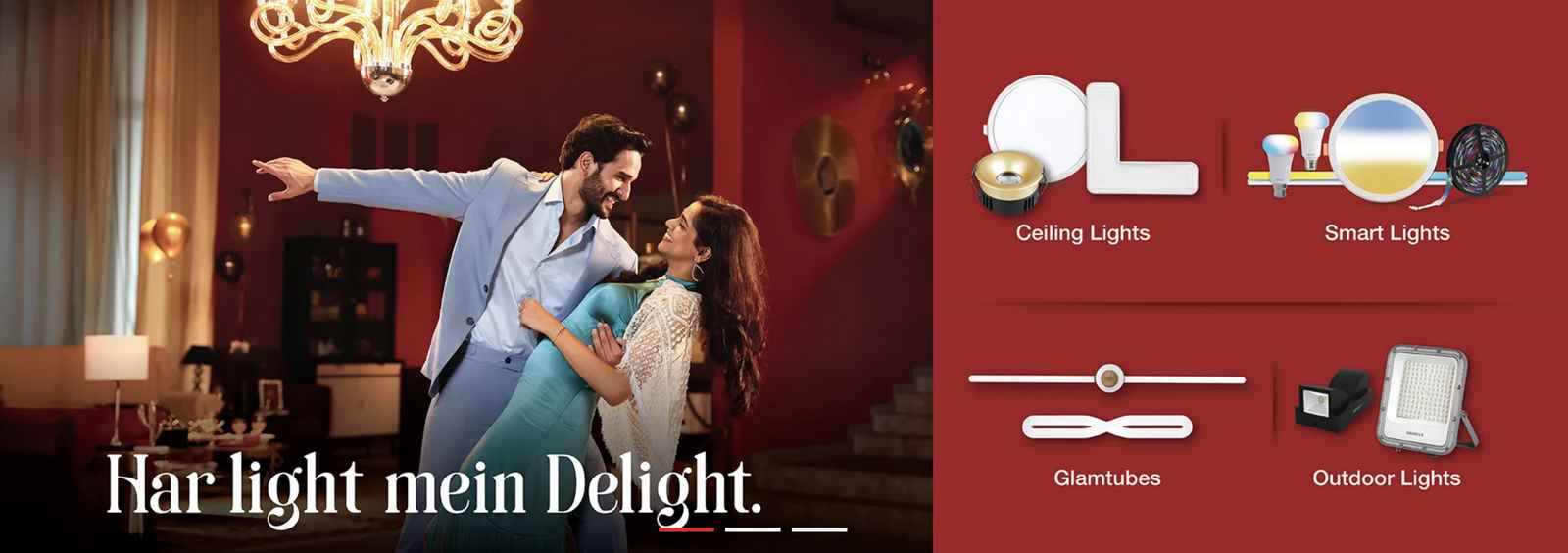
Visiting a Lighting Showroom: What to Carry and What to Test
A lighting showroom is a strange place to shop. There are two hundred lights switched on at once, every one of them looks good, and the ceiling is nothing like the ceiling in your house. People walk in with a vague idea, spend an hour, and walk out either with nothing or with a fixture they later realise is wrong for the room.
The visit itself is a skill. Go prepared and one trip can settle lighting for your entire home. If you have a lighting showroom visit planned in Patrakoti or anywhere in raighar, here is how to make it count.
Why showroom lighting can mislead you
This is the most useful thing to know before you go.
A showroom has a very high overall light level, because every display is on. Under that condition, a fixture that will feel bright in your bedroom looks gentle, and a fixture with visible glare looks acceptable because your eyes are already adjusted to a bright environment.
Showroom ceilings are also usually higher than home ceilings, which makes long drop pendants and large chandeliers look better proportioned than they will at home. And showroom walls are often white, which bounces far more light than a coloured or dark wall in your house.
None of this is a trick. It just means you should judge fixtures against your own numbers rather than against how they feel in the room you are standing in.
What to carry
Pack these before you leave:
Your floor plan, with room dimensions marked. This is the single most useful item.
Ceiling details, including height and whether a false ceiling is planned or already installed.
Your furniture layout, even a rough sketch. Light positions follow furniture.
Material samples, such as laminate, paint chips and stone or tile pieces.
Photos of each room as it currently stands, taken at night with existing lights on.
Your electrical plan, if you already have one, showing switch points and existing wiring.
Hardware reference, for example a photo of your door handles or taps, so finishes can be matched.
If your electrician or interior designer can join you for even part of the visit, bring them. Most site level problems get solved on the spot.
What to test while you are there
Do not just look. Test.
Hold your samples under the light
Put your laminate or paint chip directly under a lit fixture. Then move it under a different fixture. You will see the colour shift immediately, which tells you more than any specification sheet.
Ask them to switch things off
Ask the staff to turn off surrounding displays and leave only the fixture you are considering. This is the closest you will get to seeing it behave like it will at home.
Look straight at it
Stand where you would normally sit or lie and look towards the fixture. If it stings your eyes in a bright showroom, it will be worse in a dim bedroom. Diffused designs are more comfortable to sit under. Open designs suit accent positions.
Check the dimming
Ask for a live dimming demonstration if you plan to dim. Then confirm which type of dimmer or smart switch it works with, because not every combination is compatible.
Compare colour temperature side by side
Ask to see the same or similar fixture in warm and neutral versions. Deciding this in the showroom prevents the most common return.
Check the drop and the footprint
Ask for the exact dimensions and drop length, then picture it against your ceiling height. For pendants over a dining table, the bottom of the fixture generally sits around 75 to 90 cm above the table top.
Get the boring details written down
Before you leave the counter, note these against every shortlisted item:
Exact model or reference number
Dimensions and drop length
Cut out size, if recessed
Fixture weight, if it hangs
Colour temperature and whether it is dimmable
Which dimmer or switch it is compatible with
Whether it is rated for outdoor or damp areas
Availability, lead time and whether the finish is in stock across quantities
How replacements and service requests are handled
Your electrician and false ceiling contractor need the cut out sizes and weights. Handing them a photo of a light is not enough.
Ask for a quantity plan, not just products
The question worth asking is not "which light should I buy" but "how many of these will this room need for even light."
Give the staff your room dimensions and ceiling height and ask for a fixture count per room. This shifts the conversation from browsing to planning, and it is the difference between a room that is evenly lit and a room with bright patches and dark corners.
Timing your visit
Two pieces of timing advice.
Go before the false ceiling is closed. Cut out sizes, cove depth, spotlight positions and wiring all depend on the fixtures you choose. After boarding, changes mean cutting and repainting.
Go on a weekday if you can. You will get more of the staff's time, and you are more likely to get displays switched off for a proper look.
Havells Home Art Light stores focus on home lighting, so a visit lets you compare functional and decorative options in one place rather than piecing a home together from several suppliers over several weeks. That matters for finish consistency as much as for convenience.
Frequently Asked Questions
What should I take to a lighting showroom?
Your floor plan with room dimensions, ceiling height details, furniture layout, material samples such as paint and laminate, night time photos of your rooms, and your electrical plan if you have one.
Why do lights look different at home than in the showroom?
Showrooms run very high overall light levels, usually have higher ceilings and often have white walls. All three make fixtures look softer, better proportioned and brighter than they will in a normal room.
Is a lighting showroom better than buying online?
For a new home or a full room, yes, because brightness, glare, finish and scale are hard to judge from photographs. Online is more suitable for repeat purchases of a product you already know.
How long does a lighting showroom visit take?
Allow about an hour to ninety minutes for a full home if you arrive with a floor plan. Without a plan, expect to make a second visit.
Should my electrician come with me?
If possible, yes. Cut out sizes, ceiling load, dimmer compatibility and switch grouping are all easier to settle with the person doing the installation present.
Where can I find a lighting showroom near me in raighar?
Look for a showroom with working displays and range across functional and decorative lighting. You can locate a Havells Home Art Light store in Patrakoti, raighar through the store locator on havells.com.
Final thoughts
A showroom visit works when you treat it as a planning session rather than a shopping trip. Carry the plan, hold your own samples under the lights, ask for displays to be switched off, get a fixture count per room, and write down cut out sizes and weights before you leave.
When you are ready, visit the Havells Home Art Light store in Patrakoti, raighar with your floor plan in hand and settle your lighting room by room.