


 ₹https://partners.havells.com/near-me/-in-raighar/-in-patrakoti/havells-utsav-store-bhagabati-hardware-in-patrakoti-raighar--7eKupL/articles/how-to-pick-designer-lights-that-suit-your-interior-style--287cfe00-bd87-4ffd-92b4-c4df2f99a6f9
Havells Utsav Store - Bhagabati Hardware, Patrakoti, raighar
Home Appliances and Electrical Equipments Store in Patrakoti, Raighar, Odisha
No 1, No 64/344, Bhagabati Complex, Nearby Vishwakarma Temple, Patrakoti, raighar, odisha - 764074
Request A Call Back
Havells Utsav Store - Bhagabati Hardware Social Feeds in Patrakoti, raighar
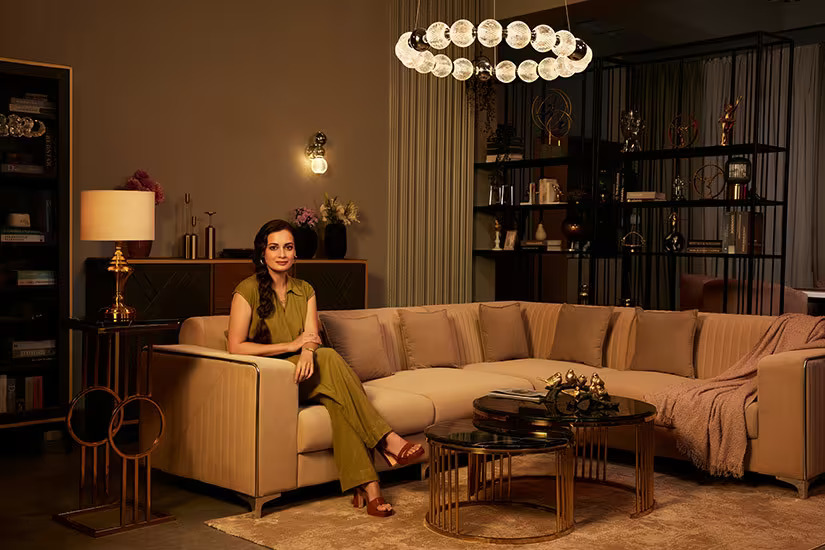
How to Pick Designer Lights That Suit Your Interior Style
Designer lights are easy to fall in love with and easy to get wrong. A fixture that looks stunning in a showroom can sit awkwardly in your living room, either because it clashes with the rest of the house or because it is the wrong size for the wall it hangs on.
The fix is simple. Decide your interior style first, then shop. If you are furnishing a home in Patrakoti and heading to a designer lights store in raighar, this guide will help you shortlist quickly and avoid the fixture that never quite fits.
Match the fixture to your interior style
Most Indian homes fall into one of a few broad styles. Identify yours and the shortlist writes itself.
Minimal and contemporary
Clean lines, slim profiles and simple geometry. Look for linear pendants, cylindrical or disc shaped fixtures, slim recessed downlighters and matte finishes in black or white. Avoid heavy ornamentation, which fights the simplicity.
Modern classic
A balance of decoration and restraint. Fixtures with brass or gold accents, fabric or glass shades and soft curves suit this style. A semi flush decorative ceiling light works well in living rooms with standard ceiling heights.
Traditional and ornate
Layered chandeliers, crystal or cut glass detailing, and richer metal finishes. These need volume, so keep them for larger rooms, double height spaces and stairwells.
Industrial
Exposed metal, cage designs, dark finishes and simple pendant clusters. Works particularly well over kitchen counters, breakfast counters and bar areas.
Warm and natural
Wood, rattan, cane and textured shades. Good for dining areas and bedrooms where you want a softer, more relaxed feel.
You do not need to follow one style rigidly, but the fixtures should look like they were chosen by the same person on the same day.
Get the size right before you fall in love
Scale is the most common designer lighting mistake.
Over a dining table, a pendant or cluster usually looks right at around half to two thirds of the table width, with the bottom of the fixture roughly 75 to 90 cm above the table top.
On a wall, a sconce should suit the width of the wall or headboard it sits on. Two small lights on a wide wall look lost.
In a room overall, a rough guide many designers use is to add the room's length and width in feet and treat that number in inches as a workable diameter for a central fixture. A 12 by 14 foot room, for example, suits a fixture in the range of about 26 inches. Treat it as a starting point, not a rule.
Check clearance, especially in walkways, over staircases and near doors.
Watch what the light itself does
A designer fixture is still a light, and how it lights the room matters.
Diffused shades spread soft light and are comfortable to sit under. Open or exposed designs look striking but can create glare, so they suit accent positions rather than a spot you look towards all evening.
Check whether it is dimmable, and confirm compatibility with the dimmer or smart switch you plan to use.
Keep colour temperature consistent with the other lights in the room. Warm light around 2700K to 3000K suits living, dining and bedrooms. Mixing warm and cool sources in one space makes even good fixtures look mismatched.
Mixing metals without it looking messy
You can mix finishes. Just do it deliberately.
Pick one dominant finish for the home, such as black or brass, and allow one secondary finish for accents. Repeat both finishes at least twice in a space so they read as a choice rather than an accident. Try to align light fixtures with your other hardware: door handles, taps, curtain rods and switch plates.
Three or more unrelated finishes in a single room is where things start to look unplanned.
Where designer lights earn their place
Spend the design attention where people look:
Dining table, the most reliable place for a statement fixture
Living room centre, particularly in double height or stairwell spaces
Bedside walls, where wall lights free up side tables and add character
Entrance and foyer, which sets the first impression
Kitchen island or breakfast counter, where pendant clusters look natural
Keep corridors, utility spaces and storage areas plain. Recessed or simple wall lights work better there, and the contrast makes your designer pieces stand out more.
Practical checks before you buy
Take this list to the store:
What is the fixture weight, and can my ceiling point take it?
What is the cut out size, if it is recessed?
Is it dimmable, and with which type of dimmer?
Is it rated for outdoor or damp areas, if it is going on a balcony or bathroom?
What are the exact dimensions and drop length?
Is the same design available in another finish, so I can match it elsewhere?
How are replacements and service handled?
Havells covers home lighting across decorative and functional categories, and Havells Home Art Light stores focus on home lighting specifically. Seeing designer fixtures switched on in a showroom is the only reliable way to judge glare, warmth of light and finish, all of which photographs flatter.
Frequently Asked Questions
What are designer lights?
Designer lights are fixtures chosen for their form and finish as much as their output, such as sculptural pendants, statement chandeliers, linear fixtures and decorative wall lights. They are treated as part of the interior design.
How do I choose designer lights for my home?
Identify your interior style, decide which spots deserve a statement fixture, check scale against the table or wall below, confirm dimming and installation details, and keep finishes consistent across the home.
What size pendant light suits a dining table?
Roughly half to two thirds of the table width, hung about 75 to 90 cm above the table top. Wider fixtures and higher ceilings need adjustment.
Can I mix different designer light styles in one home?
Yes, if there is a common thread such as finish, colour temperature or shape language. Without that thread, mixed styles look unplanned.
Are designer lights bright enough for daily use?
Often not on their own. Pair them with general or task lighting so the room is usable, and let the designer fixture handle the mood and the look.
Where can I buy designer lights in raighar?
Choose a showroom with working displays and a range across decorative and functional lighting. You can find a Havells Home Art Light store in Patrakoti, raighar through the store locator on havells.com.
Final thoughts
Designer lighting works when it looks inevitable rather than added on. Fix your style, pick two or three spots that deserve attention, size the fixtures against the surface below, keep finishes and colour temperature consistent, and confirm the practical details before paying.
To compare designs with the lights actually switched on, visit the Havells Home Art Light store in Patrakoti, raighar and shortlist fixtures room by room.