
 ₹https://partners.havells.com/near-me/varanasi/bashi/havells-authorised-retailers-rahul-electricals-in-bashi-varanasi--G5w3gk/articles/switching-to-led-what-to-replace-and-what-to-buy--e4fcfc4c-45f8-4342-b75b-3136301569d6
Havells Authorised Retailers - Rahul Electricals, Bashi, varanasi
Home Appliances and Electrical Equipments Store in Bashi, Varanasi, Uttar Pradesh
Meerapur, Basahi Churaha, Nearby Amba Jewellers, Bashi, varanasi, uttar pradesh - 221003
Request A Call Back
Havells Authorised Retailers - Rahul Electricals Social Feeds in Bashi, varanasi
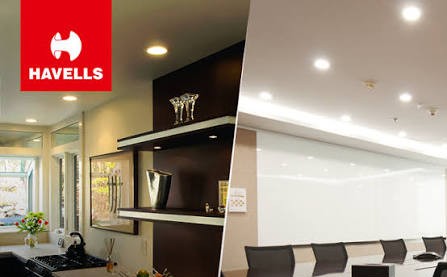
Switching to LED: What to Replace and What to Buy
Most Indian homes are now part LED and part something older. A CFL still burning in the store room, a couple of old tube lights in the kitchen, halogen spots in a false ceiling from a renovation years ago, and LEDs everywhere else. It works, so nobody touches it.
The problem is that the leftovers are usually the lights that run the longest hours and give the worst light. Sorting them out is a small job if you know what replaces what. If you are planning a switch in Bashi and heading to an LED lighting store in varanasi, this is the practical guide.
Stop shopping by watts
This is the single most useful habit to change.
With old bulbs, wattage was a rough guide to brightness, so people learned to ask for a 60 watt bulb. With LEDs, wattage only tells you how much power the fixture draws. Brightness is measured in lumens.
Approximate equivalents, useful as a starting point:
An old 40 watt incandescent bulb gave roughly 450 lumens
An old 60 watt incandescent bulb gave roughly 800 lumens
An old 100 watt incandescent bulb gave roughly 1600 lumens
An LED producing 800 lumens typically draws far less power than the 60 watt bulb it replaces. The exact figure varies by product, so read the lumen value on the pack and compare that, not the watts.
Practical approach: note roughly how bright your current light feels, ask for the equivalent in lumens, and take the wattage as secondary information.
Check the base before you buy a bulb
If you are replacing bulbs rather than fixtures, the fitting has to match. The common ones in Indian homes:
B22, a bayonet base with two pins that pushes in and twists
E27, a larger screw base
E14, a smaller screw base, common in decorative fixtures and chandeliers
GU10, a twist and lock base used in many spotlights
G9, small pin base, often used in decorative wall lights and chandeliers
The easiest way to get this right is to take the old bulb to the store with you. A photograph of the base also works. Guessing from memory is how people end up making two trips.
What replaces what
Old tube lights
Replace with an LED batten. These are slim, need no starter or choke, and give even light along their length. Good for kitchens, utility areas, store rooms and study spaces. Neutral light near 4000K suits these locations.
CFL bulbs
Replace with LED bulbs of equivalent lumens. LEDs reach full brightness immediately, which CFLs do not, and that alone is noticeable in a bathroom or a staircase where the light is on for a minute at a time.
Halogen spots in a false ceiling
Replace with LED downlighters or LED spot lamps. Halogens run hot and draw far more power for the same light. When replacing, check the cut out size of the existing hole, because LED downlighters come in various apertures and you want one that fits without cutting or patching.
Old ceiling fixtures with a bulb inside
Two options. Keep the fixture and change the bulb, which is cheaper and quicker. Or replace the whole fixture with an LED ceiling light or panel light, which usually gives better, more even light because the optics are designed around the LED.
Old outdoor and gate lights
Replace with LED fixtures rated for outdoor conditions. This is one place not to reuse an indoor fixture, since moisture and dust will end it early.
Which LED type suits which room
LED bulbs, for existing fixtures, lamps and decorative fittings
LED battens, for kitchens, utility spaces, study areas and store rooms
LED panel lights and ceiling lights, for general room lighting with wide even coverage
LED downlighters, recessed in false ceilings for pooled or accent light
LED strip and profile lights, for coves, shelves, wardrobe edges and under kitchen cabinets
LED outdoor lights, for balconies, gates, terraces and gardens
Fix the warmth while you are at it
A switch to LED is the right moment to correct colour temperature, because most homes accumulated theirs by accident.
Warm light around 2700K to 3000K for living rooms, bedrooms and dining areas. Neutral light near 4000K for kitchens, bathrooms and study spaces. Cool light above 6000K only for garages, utility spaces and workshops.
The rule that matters more than the numbers: keep all the lights in one room in the same warmth family. Mixed warmth is the most common reason a room with new lights still looks wrong.
Work out the running cost yourself
Rather than trusting a savings claim, do the arithmetic. It takes a minute.
Units per month = watts × hours used per day × 30, divided by 1000.
So a 40 watt light running 5 hours a day uses 40 × 5 × 30 ÷ 1000, which is 6 units a month. A 20 watt LED in the same position uses 3 units. Multiply the difference by your own electricity tariff, which varies by state and by slab, to get the actual saving.
Do this for the lights that run the longest hours first. That is usually the kitchen, the living room and any outdoor or corridor light left on all evening. Replacing a store room bulb that runs ten minutes a day saves almost nothing.
Where to start if you are doing it gradually
A sensible order:
Lights that run the longest hours each day
Any remaining halogens, since they draw the most for the light they give
Old tube lights in rooms you actually use
Fixtures that give poor or uneven light regardless of technology
Everything else, as and when it fails
A few things worth checking at the store
Lumens, not just watts
Colour temperature, and whether the model comes in more than one
Base type, if you are buying bulbs
Cut out size, if you are replacing recessed lights
Whether it is dimmable, and with which dimmer
Suitability for damp or outdoor positions, where relevant
How replacements and service requests are handled
Havells is a well established Indian electricals brand with a wide home lighting portfolio, and Havells Home Art Light stores are focused on home lighting. If you are replacing lights across several rooms, buying from one place helps keep colour temperature and finishes consistent, which is exactly where gradual replacement usually goes wrong.
Frequently Asked Questions
How do I choose the right LED brightness?
Compare lumens, not watts. As a rough guide, an old 60 watt bulb gave around 800 lumens, so look for an LED with a similar lumen value.
What LED wattage replaces a 60 watt bulb?
Look for around 800 lumens rather than a fixed wattage, since efficiency varies between products. The LED will draw considerably less power for the same brightness.
Can I replace a tube light with an LED batten directly?
Usually yes. LED battens are self contained and do not need a starter or choke. Check the mounting length and confirm the wiring arrangement with your electrician if the existing fitting is old.
Which bulb base is used in Indian homes?
B22 and E27 are the most common, with E14 and G9 in decorative fixtures and GU10 in many spotlights. Carry the old bulb to the store to be sure.
Do LED lights save electricity?
They use less power for the same brightness. To find your actual saving, calculate watts × hours × 30 ÷ 1000 for the old and new fixture and multiply the difference by your own tariff.
Where can I buy LED lights in varanasi?
Choose a store where you can compare lumen values and colour temperatures on lit displays. You can find a Havells Home Art Light store in Bashi, varanasi through the store locator on havells.com.
Final thoughts
Switching to LED is less about buying new lights and more about buying the right ones. Compare lumens, carry the old bulb, match cut out sizes, fix the colour temperature room by room, and start with the lights that run the longest hours.
To compare brightness and warmth before you buy, visit the Havells Home Art Light store in Bashi, varanasi and take a list of the fixtures you plan to replace.