


 ₹https://partners.havells.com/near-me/raighar/patrakoti/havells-utsav-store-bhagabati-hardware-in-patrakoti-raighar--7eKupL/articles/room-by-room-home-lighting-plan-what-to-buy-and-wh--6a5f9af0-c701-4ffb-82f6-37a1e84ce3ea
Havells Utsav Store - Bhagabati Hardware, Patrakoti, raighar
Home Appliances and Electrical Equipments Store in Patrakoti, Raighar, Odisha
No 1, No 64/344, Bhagabati Complex, Nearby Vishwakarma Temple, Patrakoti, raighar, odisha - 764074
Request A Call Back
Havells Utsav Store - Bhagabati Hardware Social Feeds in Patrakoti, raighar
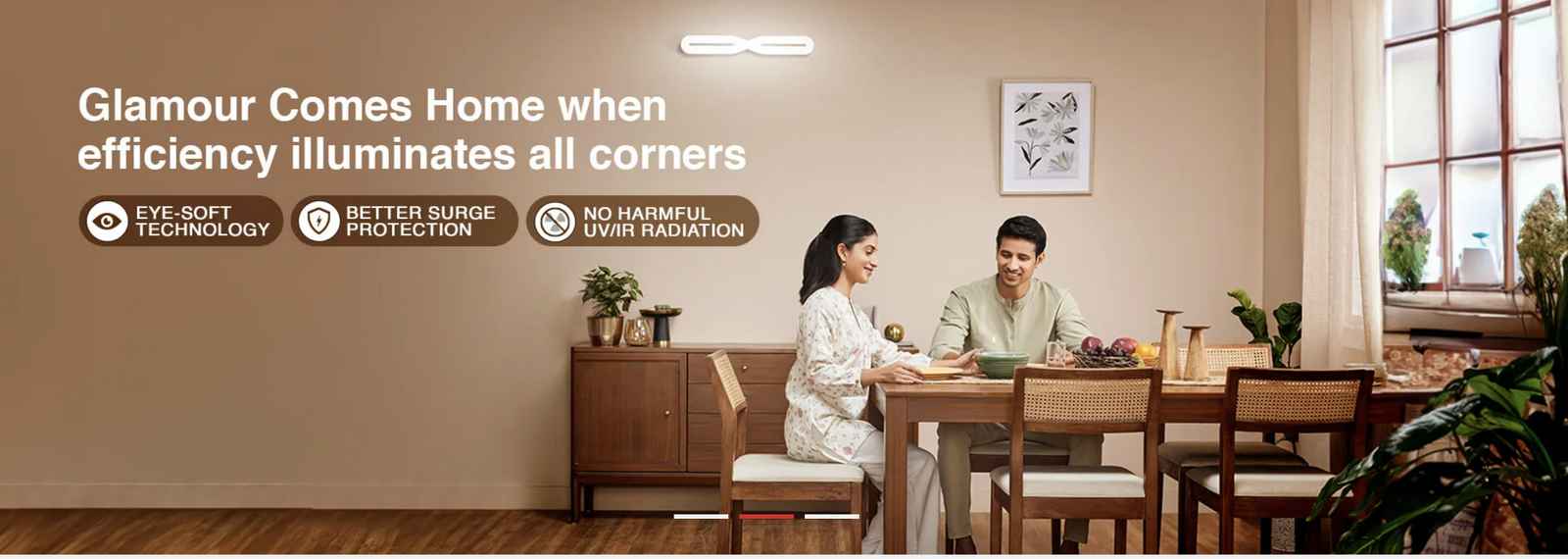
Room by Room Home Lighting Plan: What to Buy and Where
Most people plan their home lighting twice. The first time is in a hurry, when the electrician asks how many points he should pull. The second time is six months later, when they realise the kitchen counter sits in a shadow and the bedroom light is far too bright to sleep with.
A little planning avoids the second round. If you are setting up or renovating a home in Patrakoti, this guide walks through what each room actually needs, so your visit to a home lighting store in raighar is quick and decisive instead of overwhelming.
First, understand three numbers
You do not need to be an engineer, but three basics make every decision easier.
Lumens, not watts. Lumens measure how much light a fixture gives. Watts only tell you how much power it draws. With LED lighting, a low wattage fixture can be very bright, so compare lumens when you compare products.
Colour temperature, measured in Kelvin. Around 2700K to 3000K is warm and cosy. Around 4000K is neutral and clean. Around 6000K and above is cool and clinical. This single choice changes the mood of a room more than the fixture design does.
Beam spread. A downlighter throws a narrow pool of light. A panel light or batten spreads light widely. Narrow beams are for highlighting, wide beams are for filling a room.
Once you have these three in mind, the room by room plan becomes simple.
Living room
This room has the most jobs to do, so give it options.
Use general ceiling or cove lighting for everyday brightness, keep it warm at 2700K to 3000K, and add a decorative centrepiece such as a chandelier or a large ceiling fixture if the room can carry it. Spotlights work well on a feature wall, a TV unit or artwork. A floor lamp beside the sofa gives you low light for evenings.
Split these across at least two or three switches. The ability to use one third of your lights is what makes a living room comfortable at night.
Kitchen
The kitchen is where people underspend and regret it.
Ceiling lights alone will always leave your counter in shadow, because you stand between the light and the work surface. Under cabinet lighting or a batten fixed below the overhead cabinets solves this completely. Choose neutral light near 4000K for clarity while cooking and cleaning. Keep fixtures easy to wipe, since kitchens collect grease and dust.
Bedroom
Aim for calm, not bright.
Warm light at 2700K to 3000K works best. A soft ceiling light gives general illumination, and bedside wall lights or table lamps handle reading. If you can, put the main light on a dimmer or use a two step arrangement so late nights do not start with a flood of light. Avoid placing a bright downlighter directly above the pillow.
Bathroom
Two things matter here: moisture and mirrors.
Choose fixtures rated for damp areas. For the mirror, light from the sides or above at eye level is more flattering and more useful than a single ceiling light behind you, which throws your face into shadow. Neutral light around 4000K is a good middle ground for grooming.
Study or work from home corner
Task lighting decides whether this space actually gets used.
Position light so it falls on the desk without reflecting off your screen. Neutral light near 4000K helps with focus. A table lamp with an adjustable head is far more effective than a brighter ceiling light.
Dining area
A pendant or a small cluster over the table creates the focal point. Keep the bottom of the fixture roughly 75 to 90 cm above the table top so it lights the food without blocking the view across the table. Warm light suits dining, since it makes food look better.
Corridors, staircases and entrance
These are the spaces people forget until someone trips.
Use wall lights, small ceiling fixtures or step lighting along stairs. Keep the entrance welcoming with a warm wall light or pendant, and use outdoor rated fixtures wherever the space is exposed to rain or dust. Motion or two way switching is genuinely useful on staircases.
Balcony, terrace and garden
Choose outdoor rated fixtures only. Wall mounted lights, bollard lights and spotlights on plants create a soft outdoor setting. Keep glare low so light does not shine into your own rooms or a neighbour's window.
Plan before the false ceiling closes
Here is the practical sequence that saves the most money:
Finalise your furniture layout, because light follows furniture, not the other way round.
Decide fixture types and quantities room by room.
Confirm cut out sizes, fixture weights and dimming needs at the store.
Share the plan with your electrician and false ceiling contractor before the ceiling is boarded.
Buy and install after painting, so fixtures stay clean.
Steps three and four are the ones people skip. Adding a downlighter after the ceiling is finished means cutting, patching and repainting.
Making the store visit count
Carry your floor plan, your ceiling details and rough room dimensions. Ask for a fixture count per room rather than picking designs at random. Look for a store with lit displays, since brightness and glare cannot be judged from a shelf, and choose one that carries both functional and decorative ranges so your finishes stay consistent.
Havells covers home lighting across categories such as ceiling lights, panel lights, downlighters, battens, wall lights and decorative fixtures. Havells Home Art Light stores are focused on home lighting specifically, which makes them a useful stop when you want to plan several rooms in one visit rather than assembling your home from three different suppliers.
Frequently Asked Questions
How do I plan lighting for a new home?
Start with the furniture layout, then decide what each room needs in terms of general, task and decorative light. Fix colour temperature per room, confirm fixture quantities, and finalise everything before the false ceiling and electrical layout are closed.
What colour temperature is best for an Indian home?
Warm light at 2700K to 3000K for living rooms, bedrooms and dining. Neutral light near 4000K for kitchens, bathrooms and study areas. Cool light above 6000K only for utility spaces.
How many lights does a bedroom need?
It depends on room size and ceiling height, but a typical bedroom works well with one general ceiling fixture plus two bedside lights. Share your dimensions at the store for a proper count.
Should I use panel lights or downlighters?
Panel lights and battens give wide, even light and suit general illumination. Downlighters give focused pools of light and suit accenting, corridors and layered ceilings. Many homes use both.
Do I need a false ceiling for good lighting?
No. Surface mounted ceiling lights, wall lights and lamps can light a home very well. A false ceiling simply opens up recessed and cove options.
Where can I buy home lighting in raighar?
Visit a home lighting showroom with working displays and a full category range. You can find a Havells Home Art Light store in Patrakoti, raighar using the store locator on havells.com.
Final thoughts
Good home lighting is not about buying more lights. It is about putting the right kind of light in the right place, at the right colour temperature, on the right switch. Plan room by room, get your cut outs and quantities confirmed early, and your electrician will thank you.
When you are ready to turn the plan into a purchase, visit the Havells Home Art Light store in Patrakoti, raighar and go through your layout room by room with the team there.